THE PRAGMATICS OF INTENT
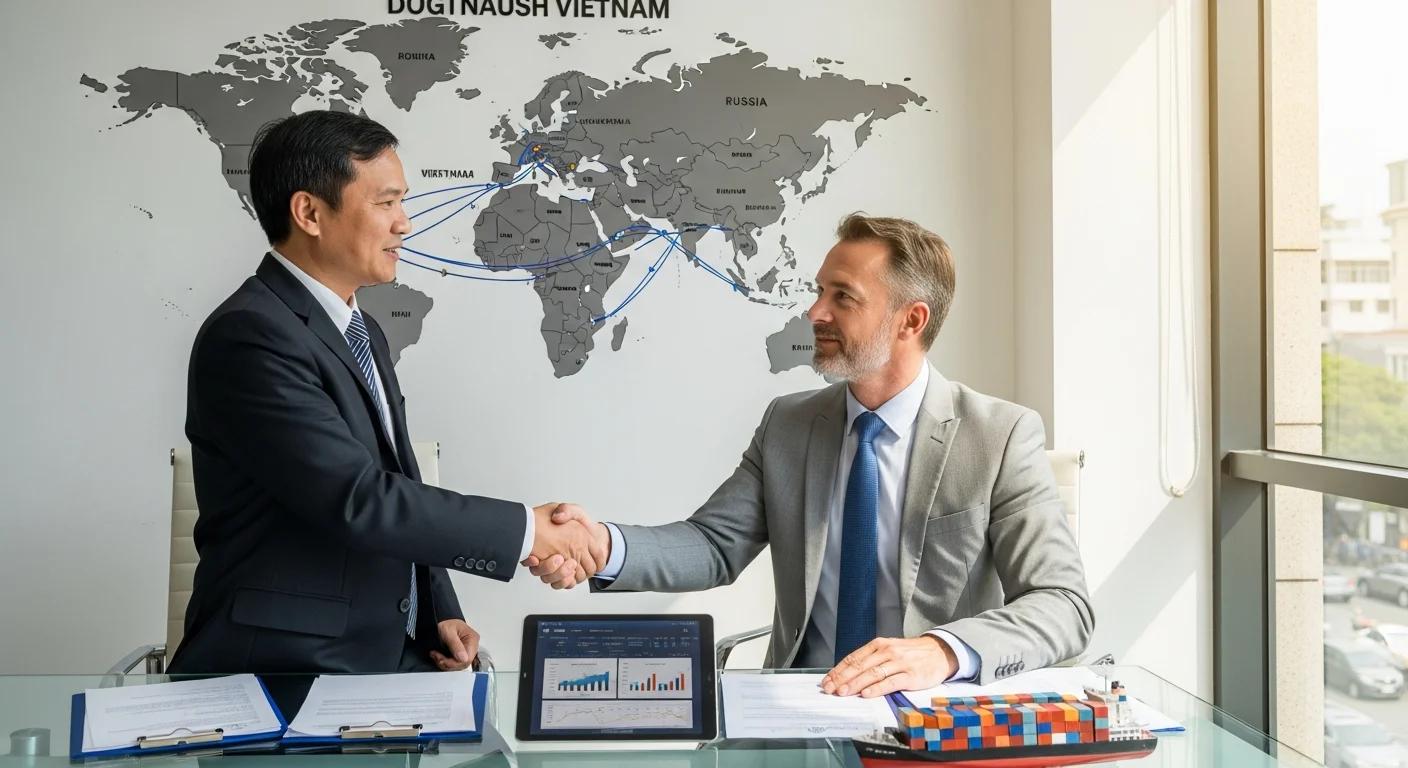
For a business owner, the decision to enter the Vietnamese market with goods supplied from Russia is not a simple logistical matter. It’s a strategic move aimed at diversifying sales channels, expanding geographical presence, or optimizing existing supply chains. The primary business objective here is not merely the physical movement of products, but the establishment of a sustainable, predictable, and economically viable channel capable of generating consistent profit. It's crucial not to start with inflated expectations regarding the speed and simplicity of the process.
Intentions can vary: from using Vietnam as a transit hub to fully developing the domestic market. However, regardless of the ultimate goal, a deep understanding of the operational environment and associated risks is a key success factor. Insufficient analysis at this stage invariably leads to wasted time and capital, as well as project stagnation. True pragmatism dictates the need for a clear definition of objectives and resource allocation before initiating any operational activity.
OPERATIONAL FILTER
Organizing goods delivery from Russia to Vietnam represents a complex operational zone where the cost of error is high. The process involves several key stages, each demanding meticulous control and expertise.
Transport Mode Selection: The primary options include sea freight (via major ports in both countries), air freight (for urgent or high-value goods), and multimodal solutions combining rail or road transport in the initial stage with sea or air.
Customs Clearance: In both directions, the process demands strict adherence to customs legislation. This includes accurate goods declaration, preparation of a complete package of permits, compliance certificates, and payment of all necessary duties and taxes. Errors here lead to delays, fines, and cargo confiscation.
Warehouse Logistics and Last Mile: Upon arrival in Vietnam, an efficient system for storage and subsequent delivery to the end consumer is required. Fragmented courier infrastructure in some Vietnamese regions can significantly impact the timing and cost of the last mile. Selecting reliable local partners is critical.
Regulatory Obligations: Beyond customs, it's essential to consider the requirements for imported products from Vietnamese regulatory bodies. These may include sanitary, phytosanitary standards, and quality and safety certifications. Ignoring them creates significant barriers to market entry.
The efficiency of each link in this chain determines the overall predictability and cost of the logistics operation.
THE ECONOMICS OF THE PROCESS
Profit in international logistics is not merely the difference between selling price and production cost. It's the result of meticulously managing all variable expenses throughout the entire supply chain. Often, the challenge lies not in the ability to deliver goods, but in managing total costs and ensuring timely profit realization at each stage.
Direct Transport Costs: Freight costs, fuel surcharges, port fees, or airport charges. These indicators can be volatile and require constant monitoring.
Customs Payments: Import duties, VAT, excise taxes. Rates vary depending on the product category and country of origin. Incorrect HS code classification can lead to overpayments or penalties.
Insurance and Risk Management: The cost of cargo insurance against loss or damage is a mandatory expense. The absence of adequate insurance, should risks materialize (delays, damage, force majeure), leads to a complete loss of profit.
Local Operational Costs: The cost of warehouse storage, cargo handling, local distribution. In Vietnam, these costs may be lower than in Europe but require competent administration.
Returns and Defects: The economics of the process must account for potential expenses associated with returning defective goods or the need for their disposal. Managing returns on an international scale significantly increases overhead and the risk of losing operational control and eroding margins.

AUDIT OF MODELS
The selection of an optimal logistics model determines the level of control, investment, and risks involved. Several basic approaches exist:
In-house Logistics:
- Advantages: Full control over each stage, ability to optimize processes for product specifics, direct control over quality and timelines.
- Disadvantages: High capital expenditures for infrastructure and personnel, need for deep expertise in local legislation and logistical nuances, significant operational risks. Suitable for large companies with regular and high-volume shipments.
Working through Partners (3PL, 4PL):
- Advantages: Minimization of initial investments, access to existing partner infrastructure and expertise, flexibility and scalability. Transfer of operational risks.
- Disadvantages: Reduced direct control, dependence on partner service quality, potential lack of pricing transparency, risk of information asymmetry. Requires careful partner selection and a detailed SLA.
Using Marketplaces:
- Advantages: Simplified market entry, ready customer base, marketplace often handles some logistics and customs operations.
- Disadvantages: High commissions, lack of direct customer interaction, limited branding opportunities, platform competition, dependence on marketplace rules. Suitable for hypothesis testing and small volumes.
Each model has its advantages and disadvantages, and the choice should be based on the specific business's strategic goals, resource base, and risk tolerance.
SOLUTION ALGORITHM
Effective implementation of a logistics scheme from Russia to Vietnam requires a systematic, phased approach:
Stage 1: Preliminary Analysis and Hypothesis Formulation. Detailed research of the Vietnamese market, assessment of potential product demand, analysis of the competitive environment. Study of the regulatory framework applicable to the product category. Clear definition of target metrics (cost per unit, delivery time, market share).
Stage 2: Model Selection and Partner Search. Based on the analysis results, decide on the logistics model (in-house, partner-based, marketplace). Conduct a tender or direct negotiations with potential logistics operators (3PLs), brokers, and customs representatives in Vietnam. Evaluate their competencies, reputation, and resource base.
Stage 3: Pilot Project. Launch a test batch of goods along the chosen route and model. The pilot's objective is to verify all links in the logistics chain, identify bottlenecks, and assess actual timelines and costs. Collect data on all operational metrics.
Stage 4: Pilot Analysis and Optimization. Conduct a deep analysis based on the pilot project data. Identify discrepancies with planned indicators and determine their causes. Make adjustments to operational processes, review terms with partners, and optimize routes and documentation.
Stage 5: Scaling and Monitoring. Gradually increase supply volumes using the refined and optimized scheme. Implement a system for continuous monitoring of key performance indicators (KPIs) for the logistics chain. Regularly audit processes and partners to maintain stability and enhance efficiency.