THE PRAGMATICS OF IMPORTATION
For a business owner, the task of importing into Vietnam is not merely about a list of required documents. It's a strategic matter of ensuring supply chain continuity, cost control, and compliance with regulatory requirements. Insufficient or inaccurate documentation is not just a bureaucratic delay, but a direct path to operational downtime, penalties, and consequently, margin erosion. The Vietnamese market, despite its attractiveness, is a complex operational zone where the cost of error is high.
The real business challenge lies in creating a transparent and controlled process that ensures the timely and unhindered passage of goods through customs procedures. This requires not only knowledge of legislation but also an understanding of its enforcement practices. It's crucial to prevent situations where goods, already shipped and paid for, are blocked at customs due to formal discrepancies, leading to additional costs for storage, demurrage, and expedited clearance. Such delays directly impact capital turnover and the ability to fulfill commitments to end-consumers.
Investing in correct documentation support during the planning stage is a preventive measure that reduces overall project risks. This allows for highly accurate forecasting of delivery times and costs, which is critically important for building sustainable unit economics and managing expectations.
OPERATIONAL FRAMEWORK
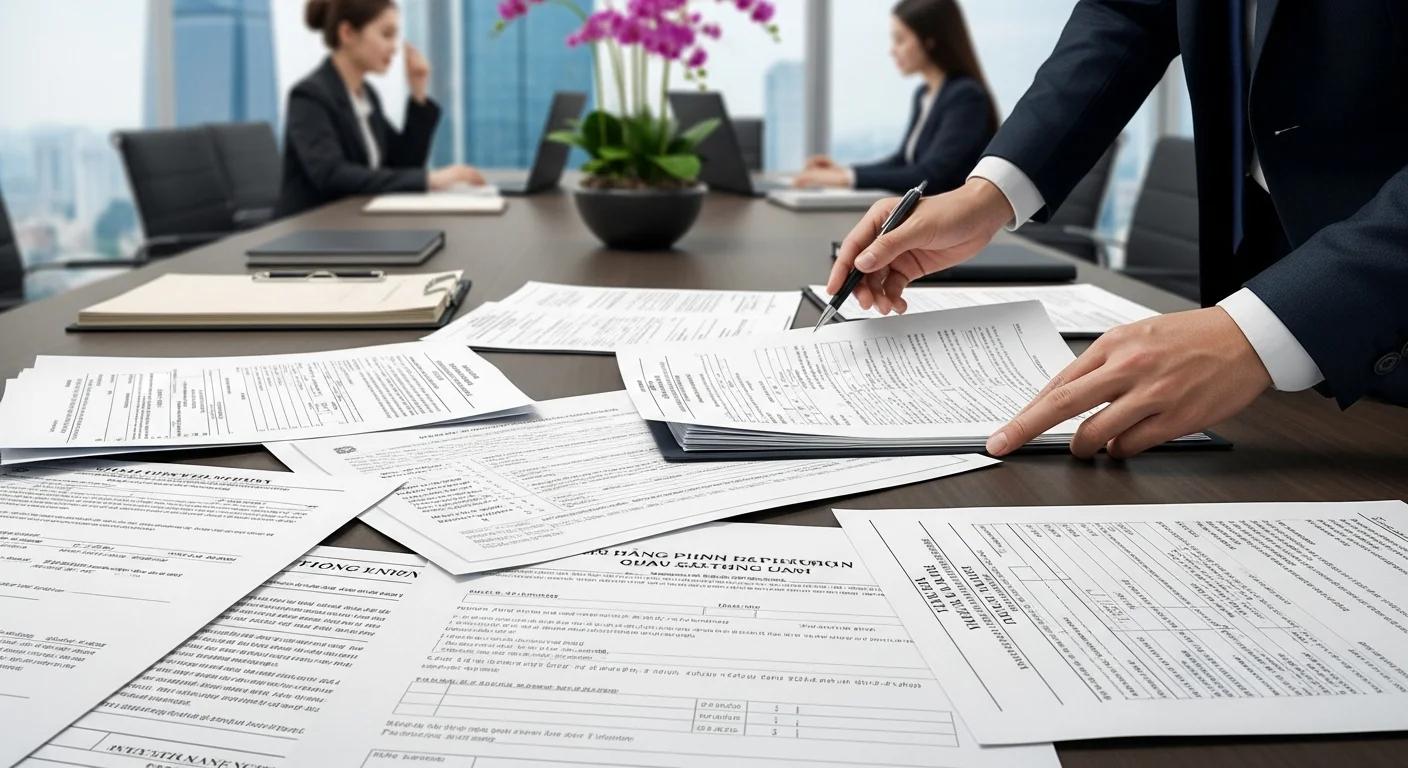
At the operational level, the import process into Vietnam involves a sequence of interconnected stages, each requiring the accurate and timely submission of relevant documents. Key elements include the commercial invoice, packing list, bill of lading (or air waybill), Certificate of Origin (CO), and, if necessary, phytosanitary, veterinary, or other specialized certificates, permits, and licenses.
Vietnamese customs authorities exercise strict control over imported goods. The absence or incorrect submission of any of the aforementioned documents leads to the suspension of the customs clearance process. This necessitates providing clarifications, making corrections, or even re-filing, significantly extending delivery times and incurring additional costs. Given limited warehousing capacities in major transport hubs, every delay results in accumulating storage and container demurrage charges.
Special attention should be paid to the classification of goods according to the Harmonized System (HS Code). Incorrect code determination can lead to erroneous calculation of duties and taxes, which subsequently risks additional assessments and penalties. Interaction with customs brokers and logistics operators requires clear task definition and execution oversight, as their competence and efficiency directly impact the speed and cost of cargo transit.

ECONOMIC IMPLICATIONS
The issue of documentation directly correlates with the economic efficiency of import operations. Underestimating this aspect leads to profit loss at various stages of the supply chain. Primarily, these are direct costs: fines for customs violations, payment for vehicle downtime (demurrage), warehousing, and potential fees for expedited clearance.
However, indirect losses can be even more substantial. Supply delays disrupt production schedules or sales plans, leading to lost revenue. For instance, seasonal goods delayed at customs may lose their relevance, requiring discounting or even disposal. This directly impacts the unit economics of each product, reducing planned margins or making the operation unprofitable.
It's also important to consider that incorrect declaration of goods' value or classification can lead to a reassessment of tax obligations and additional VAT and import duty charges, often with retrospective effect. The risk of losing operational control and margin erosion in such situations becomes a real threat. The problem isn't sales, but cash collection, when investments are frozen in goods stuck at customs, and capital turnover slows critically.
OPERATIONAL MODELS AUDIT
When entering the Vietnamese import market, entrepreneurs have several process management models available, each with its own advantages and disadvantages in terms of control and risks.
1.
Direct Import (Self-Import):
- The business registers its own legal entity in Vietnam and acts as the importer independently. This provides maximum control over all stages, from procurement to customs clearance. However, it requires a deep understanding of local legislation, significant investment in establishing in-house logistics and customs expertise, and bears all regulatory risks. This model is suitable for companies with large volumes and a long-term presence strategy.
2.
Using a Local Partner (Local Distributor/Importer):
- In this scenario, a Vietnamese partner company, which already possesses the necessary licenses, infrastructure, and experience, assumes the import functions. This avoids direct interaction with customs and reduces administrative burden. However, this model involves a partial loss of control over the supply chain, increased partner margins, and dependence on their reliability. The selection of a partner with an impeccable reputation and transparent operational structure is critical.
3.
Using a Logistics Operator (3PL/Freight Forwarder):
- In this scenario, the business acts as the importer but delegates logistics and customs operations to a specialized company. This is a compromise between full control and transferring all risks. The operator handles document processing, transportation, and customs interaction, but legal responsibility for the cargo remains with the importer. Choosing a competent and reliable 3PL provider capable of operating effectively within a fragmented courier infrastructure is key.
SOLUTION FRAMEWORK
Effective import management into Vietnam requires a systematic approach. The proposed framework helps minimize risks and ensure process scalability:
Stage 1: Preliminary Audit and Pilot Project.
- Conduct a detailed analysis of regulatory requirements for your product category. Identify all necessary licenses, certificates, and permits.
- Determine the exact HS Code for the goods and corresponding import duties and taxes.
- Select one or more potential logistics partners or brokers.
- Launch a small pilot import for one or two SKUs. The goal is not profit maximization but to refine all process stages, identify bottlenecks, and verify the competence of selected contractors. Avoid starting with inflated expectations.
Stage 2: Building Internal Expertise and Documentation Foundation.
- Based on the pilot project experience, develop an internal checklist and procedure for documenting each type of imported goods.
- Train responsible employees or engage external consultants to oversee the process.
- Create a database of all necessary documents, their validity periods, and responsible parties.
Stage 3: Formalization and Scaling.
- Conclude long-term contracts with vetted logistics partners, clearly outlining SLAs (Service Level Agreements) and areas of responsibility.
- Automate the document preparation and verification process wherever possible.
- Regularly monitor changes in Vietnam's customs and trade legislation.
- Continuously analyze operational metrics: delivery times, customs clearance costs, number of delays, and their causes. Use this data for continuous process improvement.
Applying this framework will transform the import process from an area of uncertainty into a manageable operational function, which is a prerequisite for sustainable business growth and development in the Vietnamese market.