THE PRAGMATICS OF INTENT
Evaluating shipping methods to Vietnam from a business profitability perspective demands a systematic approach that extends beyond the nominal cost of freight. The true objective for a business owner or top manager is not to find the cheapest route, but to establish a stable, predictable, and scalable logistics chain that minimizes risks and ensures a competitive advantage in the market. This involves striking an optimal balance between operational costs, delivery speed, service reliability, and compliance with regulatory requirements.
Operating in the Vietnamese market is characterized by several peculiarities that significantly influence logistics decisions. These include a dynamically growing consumer segment, a complex operational zone where errors carry a high cost, and the necessity to adapt to the specifics of local distribution channels. The choice of delivery strategy directly determines a company's ability to efficiently serve customers, manage inventory, and maintain profitability. Underestimating any of these factors inevitably leads to margin erosion and loss of market position. Thus, the analysis of "profitability" focuses not on immediate savings but on the long-term sustainability of the business model.
OPERATIONAL FILTER
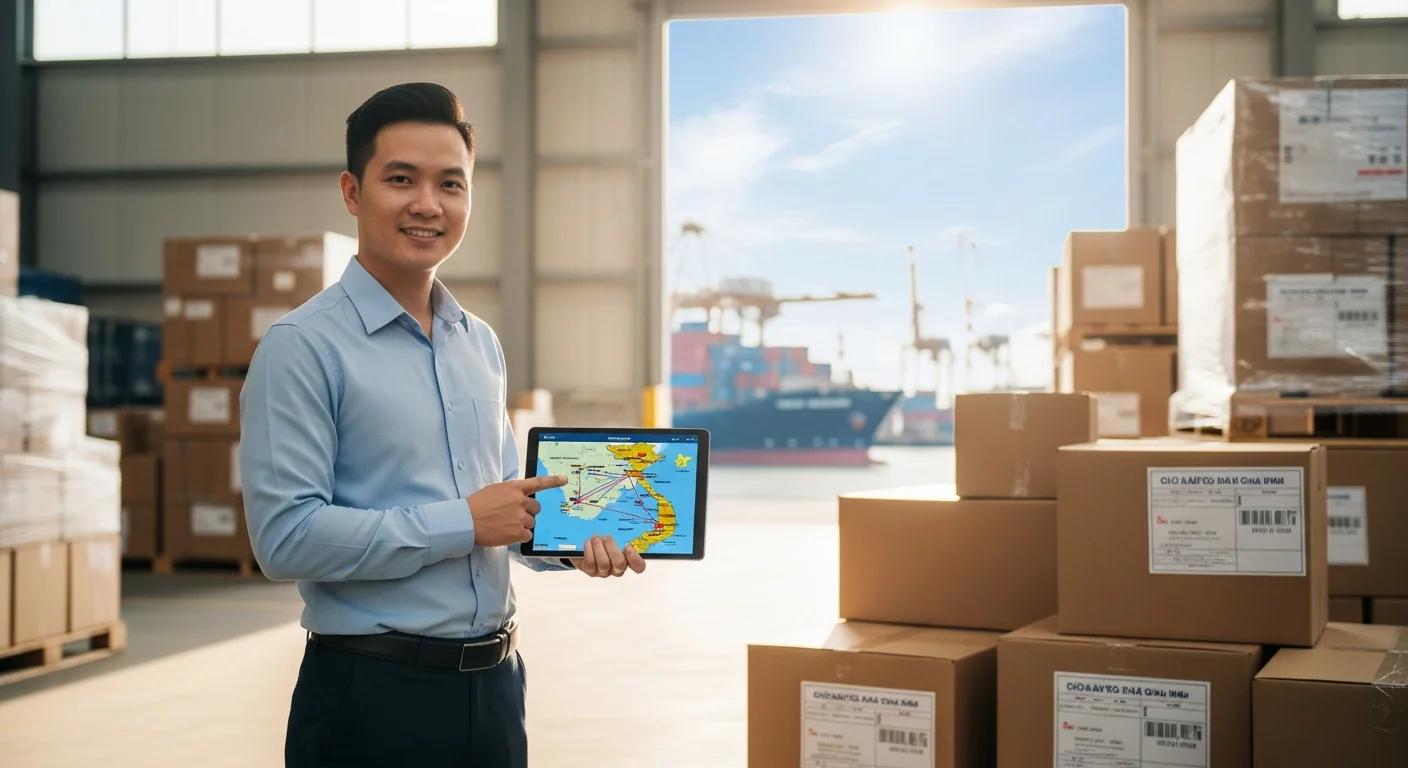
The process of delivering products to Vietnam begins with selecting an international logistics channel. Primary options include sea, air, and, in some cases, land transport. Sea freight through the country's main transport hubs (e.g., Hai Phong, Ho Chi Minh City) remains the most economically efficient for large cargo volumes, though it is characterized by longer transit times. Air transport offers high speed but comes with significantly higher costs, limiting its application to high-value, perishable, or urgent goods.
A crucial stage is navigating customs procedures. Vietnam has a specific import regulatory system that requires meticulous document preparation, accurate goods declaration, and payment of relevant duties and taxes. Errors at this stage can lead to delays, fines, and increased product costs. After customs clearance, goods enter the local distribution network. Here, companies encounter a fragmented courier infrastructure, especially outside major cities. The quality and reliability of local logistics partners can vary, posing risks to timely and safe delivery to the end consumer.

Last-mile management presents a complex operational challenge. A lack of standardization, reliance on local partners, and the logistical complexity of delivering to remote areas can significantly increase operational costs and degrade the customer experience. Effective coordination between international and domestic stages is critically important for minimizing losses and ensuring a stable flow of goods.
PROCESS ECONOMICS
Profitability in Vietnamese logistics is influenced by numerous factors often underestimated during initial planning. One primary challenge is determining the "landed cost" of goods, which includes not only the purchase price and international freight but also all customs duties, taxes, storage fees, insurance, and local distribution costs. Incorrect calculation of these components leads to inaccurate pricing and, consequently, reduced profit margins.
Return management is also a significant factor in profit erosion. High return rates, common for certain product categories and online retail, increase logistics costs and necessitate the establishment of reverse logistics, which in Vietnam can be as complex and expensive as forward logistics. Each return represents not only a lost potential sale but also additional costs for transportation, processing, and disposal.
The challenge of collecting payments, rather than just making sales, remains relevant for many companies operating in Vietnam. The prevalence of Cash on Delivery (COD) transactions introduces additional risks to financial flow and increases operational costs associated with cash collection. This demands a stringent control and verification system to prevent losses and ensure timely fund remittance. Tax obligations and the need for their accurate fulfillment are also part of the economic landscape. Changes in tax legislation or misinterpretation of rules can lead to unplanned expenses and penalties, negatively impacting net profit.
MODEL AUDIT
The choice of delivery model in Vietnam determines the level of operational control, required investment, and potential risk exposure. Let's examine three primary models:
-
Marketplaces. Utilizing major Vietnamese or international marketplaces (such as Shopee, Lazada, Tiki) allows for rapid market entry with minimal initial logistics investment. Marketplaces provide integrated solutions for storage, packaging, and delivery, as well as payment processing. However, this model carries the risk of losing operational control over the customer experience, dependence on their tariffs and rules, and high platform competition. Profitability can be reduced due to commissions and limited opportunities for brand differentiation.
-
In-house Logistics. Building your own logistics infrastructure (warehouses, transport, personnel) provides maximum control over all stages of the supply chain. This allows for process optimization tailored to specific product and client requirements, creation of unique services, and margin protection. Nevertheless, this model requires significant capital investment, a deep understanding of the local labor market and regulatory environment. It is a complex operational zone with a high cost of error, especially during the establishment phase.
-
Partner Model. Collaboration with local 3PL (Third-Party Logistics) operators or specialized logistics companies represents a compromise. Partners can provide expertise and infrastructure without requiring capital investment from the client. This allows companies to focus on their core business and leverage the partner's economies of scale. However, meticulous partner selection and the establishment of clear KPIs are critically important. Insufficient oversight of the partner can lead to the risk of losing operational control and margin erosion, as well as a decrease in customer service quality.
The choice between these models should be based on a company's strategic objectives, financial readiness, required level of control, and the specifics of the product or service offered.
DECISION ALGORITHM
To determine the most profitable shipping method to Vietnam, it is recommended to follow a phased algorithm focused on risk reduction and hypothesis testing:
-
Detailed Market and Product Analysis. Define your target audience, its geographical distribution, and expectations regarding delivery times and costs. Evaluate your product's specifics: its dimensions, weight, shelf life, and the need for special storage or transport conditions. This will help narrow down the range of potential logistics solutions.
-
Pilot Phase with Limited Volume. Avoid starting with overinflated expectations and a full-scale rollout. Launch a pilot project using the most accessible model (e.g., via a marketplace or with a single reliable 3PL partner) for a limited product range or geographical area. The goal is to collect real data on operational costs, delivery times, return rates, and customer satisfaction.
-
Audit Potential Partners. If a partner model is being considered, conduct thorough due diligence. Evaluate not only the cost of services but also their reputation, technical capabilities, geographical coverage, reporting system, and scalability. Conclude agreements that include clear KPIs and control mechanisms.
-
Evaluate "Landed Cost". Based on pilot data or partner proposals, determine the precise "landed cost" for each product unit. Account for all direct and hidden costs: freight, customs duties and taxes, warehousing, handling, last-mile delivery, insurance, as well as the cost of processing returns and cash collection. This will allow for a realistic assessment of profitability.
-
Monitoring and Optimization. Regardless of the chosen model, establish a system for continuous monitoring of key performance indicators (KPIs): delivery time, percentage of successful deliveries, return rate, logistics costs per unit. Regularly analyze data and make adjustments to operational processes or partner selection to achieve optimal profitability. This is an iterative process aimed at continuous improvement.