THE PRAGMATIC IMPERATIVE
Establishing an efficient logistics infrastructure in Vietnam is a strategic imperative for businesses. The primary goal is to create a predictable, controllable, and economically viable system that upholds projected service levels and desired profit margins.
Fulfillment encompasses all processes from inventory receiving and storage to delivery and returns. In Vietnam, this is complicated by unique market characteristics, dynamic consumer behavior, and specific infrastructure challenges. A lack of a systematic approach inevitably leads to reduced efficiency, increased costs, and the erosion of competitive advantages.
A pragmatic approach necessitates a realistic assessment of both opportunities and limitations. It is crucial to avoid starting with inflated expectations. The objective is to minimize risks upon market entry and establish a robust operational model that can adapt and scale effectively. The Vietnamese market demands a comprehensive understanding of the entire customer value chain.
OPERATIONAL CONSIDERATIONS
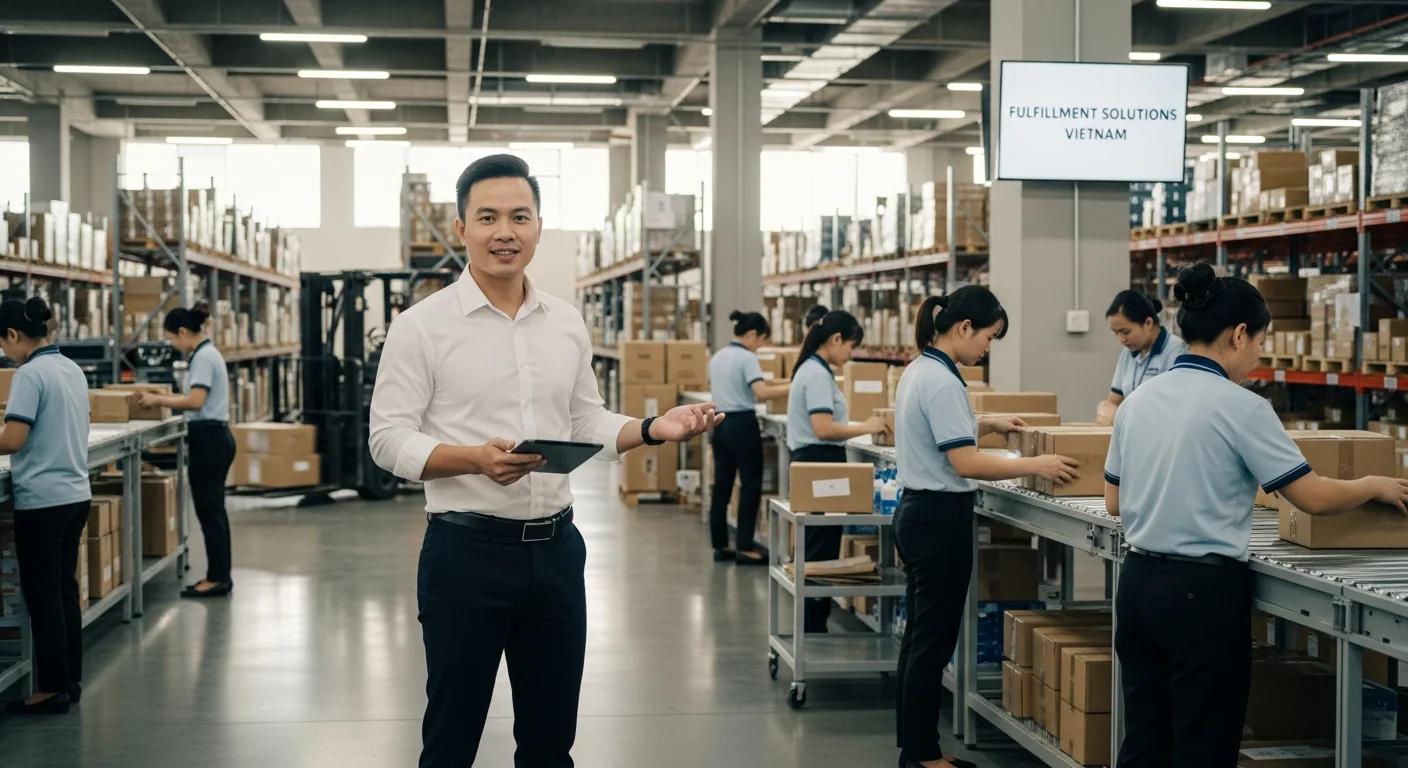
Establishing fulfillment operations in Vietnam demands a deep understanding of intricate operational details. The initial phase involves import and customs clearance. Accurate goods classification and timely payment of duties and taxes are critical; any discrepancies can lead to delays and regulatory penalties. Subsequently, goods are transferred to a warehouse. Key considerations include selecting an optimal location, ensuring compliance with storage requirements, and implementing robust inventory management systems.
Order processing – including picking, packing, and labeling – directly impacts customer satisfaction and return rates. A significant challenge is Vietnam's fragmented courier infrastructure. While delivery within major urban centers (agglomerations) is relatively swift, logistics to remote areas become more complex, extending delivery times and increasing costs. This is a challenging operational area where the cost of error is substantial.
Robust tracking systems and effective customer communication are critical. The widespread prevalence of Cash-on-Delivery (COD) significantly complicates cash collection. The challenge often lies not in making the sale, but in efficiently collecting payment. This necessitates streamlined financial processes. The operational landscape in Vietnam mandates executing tasks with minimal deviation from established standards, while meticulously accounting for local specificities.

PROCESS ECONOMICS
The profitability of fulfillment operations in Vietnam is heavily influenced by numerous unit economic factors. Primary expenditures include warehouse rental, labor costs, packaging, and transportation. These variable costs fluctuate significantly based on order volume, delivery geography, and product type.
A critical factor is the return rate. A high percentage of returns not only negates revenue but also incurs additional expenses for reverse logistics, processing, or disposal. This poses a significant risk of losing operational control and eroding profit margins, which must be carefully considered during pricing and investment decisions.
Tax obligations are substantial. Import duties and VAT are applied to imported goods, and local VAT is levied on every sale. Incorrect tax calculations can result in penalties. Cash-on-delivery (COD) extends the cash collection cycle, effectively freezing working capital. A detailed unit economics analysis must account for direct logistics costs, as well as indirect losses associated with returns, the duration of the cash cycle, and tax contributions.
EVALUATING FULFILLMENT MODELS
When organizing fulfillment operations in Vietnam, three primary models warrant consideration: utilizing marketplaces, building proprietary infrastructure, or engaging third-party logistics (3PL) providers.
-
Marketplace
Leveraging marketplaces offers rapid access to an audience and integrated logistics solutions, thereby reducing initial investment. However, this model also presents challenges such as intense competition, dependence on the platform, limited control over branding and customer experience, and a lack of direct data access. It serves as a viable solution for a quick market entry, but comes with a compromise on strategic control.
-
Proprietary Infrastructure
Establishing your own logistics infrastructure ensures maximum control over every stage of the fulfillment process. This allows for tailoring operations to specific requirements and standards, and optimizing processes for peak efficiency. However, this model demands significant capital investment, a deep understanding of local regulations, and extensive operational expertise. Scaling can be slow and costly.
-
Third-Party Logistics (3PL) Partner
Engaging a 3PL provider represents a strategic compromise between control and cost. 3PL operators typically possess existing infrastructure, local expertise, and extensive experience, enabling businesses to launch quickly without significant capital expenditure. This model also offers flexibility in scaling operations. The primary risk lies in selecting an unreliable partner, which could lead to a loss of operational control and erosion of profit margins. Therefore, a detailed Service Level Agreement (SLA) and stringent quality control are paramount.
A STRUCTURED APPROACH TO FULFILLMENT
Successfully organizing fulfillment in Vietnam necessitates a systematic approach. The following algorithm outlines the key stages:
-
Needs Analysis and Pilot Program
Begin by thoroughly analyzing your projected sales volumes, delivery geography, and product specifics. Define your precise requirements for delivery speed, storage conditions, and returns processing. Initiate a pilot program to test your chosen model (either with a 3PL provider or a limited product assortment) to accurately assess costs and identify potential bottlenecks. This approach allows you to gather real-world data without significant upfront investment.
-
Location and Infrastructure Selection
Based on the data gathered from your pilot program and comprehensive market analysis, select optimal warehouse locations. Crucially, consider their proximity to major transportation hubs and your target customer base. Evaluate the necessary equipment and Warehouse Management System (WMS) requirements. If partnering with a 3PL, meticulously audit their operational capabilities and technological infrastructure.
-
Integration and Standardization
Ensure seamless integration between your Order Management System (OMS) and your partner's system or your proprietary WMS. Develop clear operational standards and Key Performance Indicators (KPIs) for every stage of the process, from receiving inventory to handling returns. Standardization is vital for minimizing risks and enhancing predictability.
-
Monitoring and Optimization
Continuously track key performance indicators (KPIs) such as cost per order, picking accuracy, delivery speed, return rates, and customer satisfaction. Conduct regular process audits to identify opportunities for cost optimization and quality improvement. The Vietnamese market is highly dynamic, demanding a flexible and adaptable logistics strategy.
-
Scaling Operations
Once pilot operations have been stabilized and optimized, you can proceed with scaling. Expanding your geographical reach or increasing order volumes should be accompanied by a thorough re-evaluation of current capacities. If necessary, this may involve seeking new partners or making further investments in your own infrastructure. This proactive approach helps prevent system overload and ensures the preservation of operational stability.
This structured algorithm provides a comprehensive framework for tackling the complexities of fulfillment in Vietnam, thereby minimizing risks and maximizing the potential for successful business growth.