THE PRAGMATICS OF INTENT
Entering a new market demands product adaptation to local conditions. In Vietnam, product certification is not merely an administrative step but a fundamental element of strategic planning. Improper handling directly jeopardizes operational stability.
The primary objective of certification is to confirm a product's compliance with national safety and quality standards. This is a mandatory prerequisite for legal import, distribution, and sale. Non-compliance leads to fines, product impoundment, loss of investment, and reputational damage. Integrating certification into your strategy is an investment in the legality and security of operations in Vietnam.
Underestimating this aspect results in customs delays, unpredictable costs, and margin erosion. The certification process in Vietnam requires a systematic approach and a deep understanding of local regulatory specifics, even for products already certified in other jurisdictions.
THE OPERATIONAL FILTER
The certification process is a multi-stage mechanism, transforming into a complex operational zone with a high cost of error. In Vietnam, it involves several key stages, each requiring diligent control.
The first stage is identifying applicable standards. Depending on the product category, national regulatory bodies require compliance with safety, hygiene, or environmental norms. This necessitates a detailed analysis of the HS code and consultation with local experts. Errors at this stage lead to incorrect testing choices and additional costs.
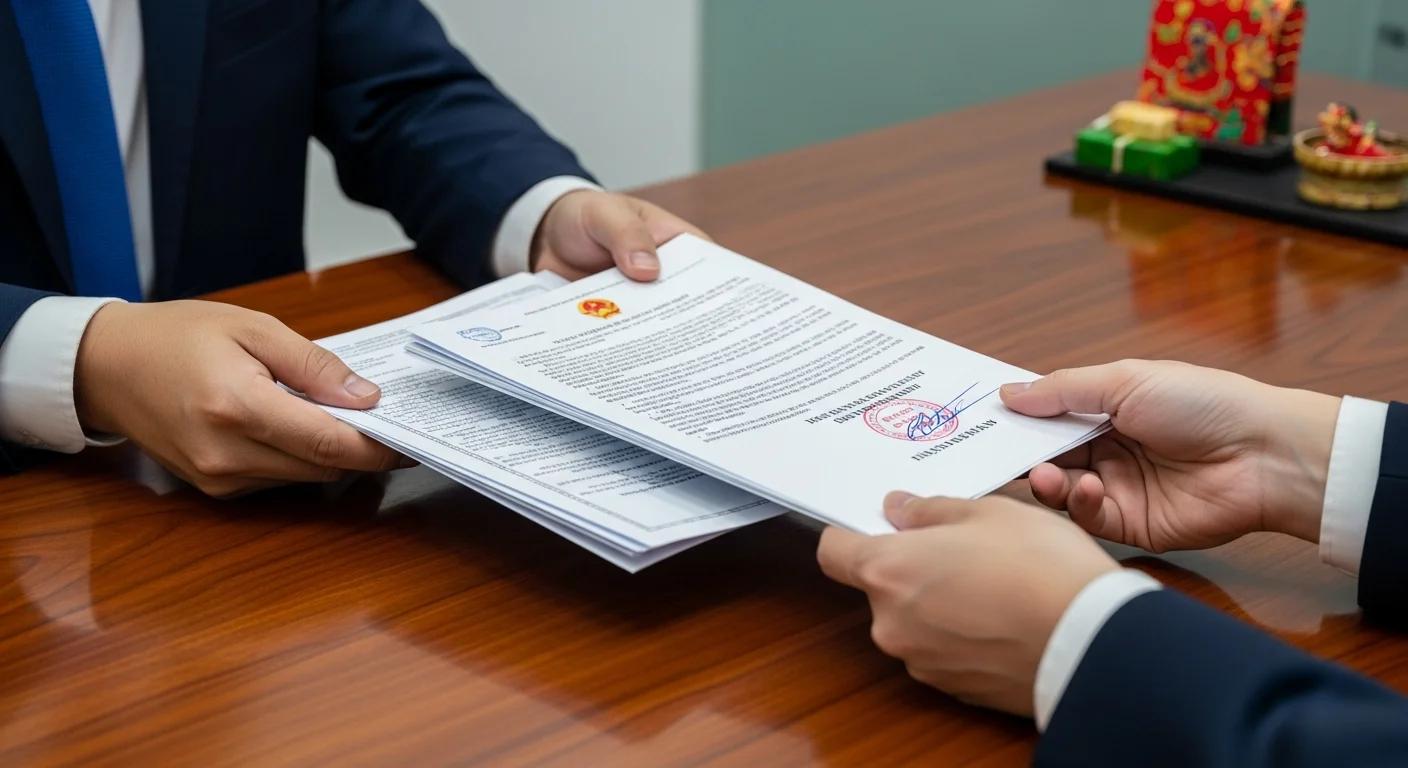
Next comes the collection and preparation of documentation: technical specifications, test reports from accredited laboratories (re-testing in Vietnam may be required), and production descriptions. Professional translation into Vietnamese is crucial to avoid inaccuracies.
After documentation and testing are prepared, an application is submitted to the relevant government body. This often requires interaction with multiple agencies and coordination of requests. In some cases, a production inspection or random batch control at the border may be necessary. The logistical support for these processes constitutes a separate block of tasks.

Obtaining the permit is the final stage. However, goods may be subject to selective market checks, which requires retaining all documentation and readiness to respond promptly. Ignoring these mechanisms creates a risk of losing operational control and eroding profit margins.
THE ECONOMICS OF THE PROCESS
Ignoring the economic aspects of certification at early stages is a common mistake that impacts profitability. Costs are not limited to direct fees; they include a wide range of indirect expenses capable of altering unit economics.
Direct costs: laboratory testing fees (potentially repeated tests), government duties and fees, translation services, and local consultant fees.
Indirect costs:
- Time delays: Idling goods mean frozen capital, lost profits, storage costs, and reduced turnover.
- Re-testing: In case of non-compliance, this increases direct and time-related costs.
- Logistical costs for samples: Additional customs procedures.
- Risk of return/disposal: Failure to pass certification after import leads to significant financial losses (cost of goods, transport, penalties).
These costs must be factored into the product's cost of goods sold and retail price. Incorrect estimation can render a product uncompetitive. Often, the problem isn't in sales but in cash collection, and not in production but in a lack of control over end-to-end operational expenses, including certification.
Financial planning should include a buffer for unforeseen expenses and delays. Do not start with inflated expectations regarding the speed and simplicity of the process.
AUDITING MODELS
The choice of the optimal model for entering the Vietnamese market determines the cost structure, level of operational control, and risk distribution, including certification. Let's examine three basic models.
Model 1: Marketplace
Using online marketplaces does not absolve the supplier of responsibility for ensuring product compliance with local standards and possessing necessary certificates. The marketplace minimizes its regulatory risks by requiring complete documentation from sellers. The risk here lies in losing operational control when relying on the platform and potential sales blockage due to non-compliance.
Model 2: Own Distribution
Establishing your own operational structure in Vietnam provides maximum control over all processes, including certification. The company fully assumes responsibility for researching standards, testing, submitting documents, and interacting with regulators. This requires significant investment in expertise and personnel. Risks are associated with the need for a deep understanding of local legislation and potential inefficiency of internal organization without proper experience. The high cost of error can be due to a lack of local expertise.
Model 3: Partner Distribution
Collaborating with a local distributor or importer is a common strategy to minimize direct operational risks. Responsibility for certification is typically shifted to the partner, who possesses local expertise. This reduces the administrative burden. It is crucial to clearly define all details of responsibility, timelines, and financial obligations in the contract. Risks include potential dependence on the partner, possible lack of transparency, and insufficient responsiveness. Selecting a reliable partner with proven experience and a willingness to audit processes is critical.
Each model has its advantages and disadvantages. The choice depends on strategic goals, resources, and readiness to assume risks. A detailed audit of all aspects of certification should be conducted at the pre-contractual stage.
SOLUTION ALGORITHM
Effective management of the certification process requires a systematic approach that minimizes risks and optimizes costs, from pilot project to scaling.
Step 1: Preliminary Analysis and Assessment
Thoroughly study Vietnam's regulatory landscape for your product. Identify applicable standards and requirements. Gather information on documents and procedures. Consultations with local experts are critically important for estimating realistic timelines and budgets. Do not start with inflated expectations.
Step 2: Model and Partner Selection
Based on analysis and strategic objectives, choose the optimal market entry model. When selecting a partner, conduct a thorough check of their reputation and experience. Clearly stipulate in the agreement the areas of responsibility, financial obligations, and timelines related to certification.
Step 3: Pilot Project and Testing
Start with a small batch of goods or a limited product line for a pilot run of the entire certification procedure. This will allow you to refine processes, identify bottlenecks, clarify timelines, and adjust the budget. The experience from a pilot project will reduce risks during scaling.
Step 4: Preparation of Complete Documentation Package
Based on pilot experience, prepare a complete package of technical and legal documentation compliant with Vietnamese requirements. Ensure the accuracy of translations. Conduct necessary laboratory tests in accredited institutions.
Step 5: Application Submission and Process Monitoring
Submit the application to the relevant regulatory authorities. Maintain active communication with regulators or your representative, and be prepared to promptly provide additional information. Monitoring the application status significantly сокращает сроки.
Step 6: Compliance and Post-Certification Control
Obtaining a certificate is not the final step. Ensure ongoing compliance with requirements, especially with changes in the product or legislation. Develop an internal control system to track certificate validity periods and their timely renewal. Be prepared for possible inspections. This maintains operational legality and minimizes the risks of losing operational control and eroding profit margins.