THE PRAGMATICS OF INTENT. What real business challenge does an owner face in this area?
Entering the Vietnamese market for the FMCG category is not about creating a new product, but rather about its deep adaptation. The primary challenge for an owner is to ensure profitable and sustainable market expansion, overcoming the dissonance between global product standards and the specifics of local consumption. The goal is not merely to sell volume, but to integrate into the local economic ecosystem, ensuring stable cash flow and a competitive advantage. Ignoring cultural nuances, logistical complexities, and regulatory requirements leads to investment loss. The task is to formulate an offering that is relevant, accessible, and economically viable for the Vietnamese consumer.
OPERATIONAL FILTER. How the process works "on the ground." Describe the mechanisms (logistics, taxes, risks).
The operational reality of the Vietnamese FMCG market demands detailed understanding. The infrastructure, though developing, is a complex system. Logistics for imported goods involve passing through key transport hubs, requiring strict adherence to customs procedures, including product classification, duty payment, and obtaining necessary licenses. Domestic distribution is characterized by multiple tiers: from modern retail chains to an extensive network of traditional markets and independent stores. Last-mile delivery in many regions relies on a fragmented courier infrastructure, impacting speed, cost, and reliability. Regulatory costs include compliance with food safety regulations, Vietnamese language labeling standards, and general quality requirements. Insufficient attention to these aspects creates a risk of losing operational control and eroding margins.
THE ECONOMICS OF THE PROCESS. Where and why profit disappears (Unit Economics, Returns, Taxes).
The profitability of an FMCG project in Vietnam is shaped at the unit economics level and is influenced by numerous factors. The basic product cost increases due to import duties, value-added tax, and other fiscal charges. Logistics expenses, especially for products requiring special storage or transportation, can be significant. Channel margins for distributors and retail networks are a substantial component of pricing. Marketing and localization costs, including adapting promotional materials and shaping price perception, also directly impact profitability. The problem isn't sales, but cash collection: lengthy invoice payment cycles, especially when working with traditional channels, can tie up working capital. Tax obligations and the need to manage returns or illiquid stock without efficient reverse logistics directly affect the final margin.

MODEL AUDIT. Comparing Solution Approaches (Marketplace vs. Own Operations vs. Partner) in terms of Control and Risks.
Marketplace:
This model offers a relatively low entry barrier and quick access to an audience. However, it comes with high commissions, fierce price competition, and limited opportunities for direct brand building and consumer data collection. Risks include loss of operational control over the customer experience and margin erosion due to price wars and platform dictates. Marketplaces can serve for demand validation but rarely provide strategic depth.
Own Operations (Direct Entry):
This model provides maximum control over all business aspects – from marketing to distribution. It requires significant capital investments in infrastructure, personnel, and legal support. This is a complex operational area with a high cost of error, especially in hiring and managing local teams, as well as adhering to all regulatory norms. Direct entry ensures deep integration but carries elevated risks and requires a long payback period.
Partnership Model:
Collaboration with a local distributor or a joint venture allows leveraging the partner's existing infrastructure and expertise. This reduces initial investments and accelerates market entry. Key risks include dependence on the partner, potential divergence of strategic interests, and a possible loss of control over branding and distribution quality. Careful partner selection, legal formalization of obligations, and continuous performance auditing are required.
SOLUTION ALGORITHM. Step-by-step action plan: from pilot to scale.
Phase 1: Strategic Assessment and Pilot. Do not start with inflated expectations. Conduct a comprehensive market analysis to identify unmet needs and micro-niches. Develop and launch a pilot project with a limited assortment or in a narrow geographical segment. The goal is to obtain real data on consumer behavior, preferences, and operational specifics without significant capital investment. This will allow for hypothesis testing and risk minimization during subsequent scaling.
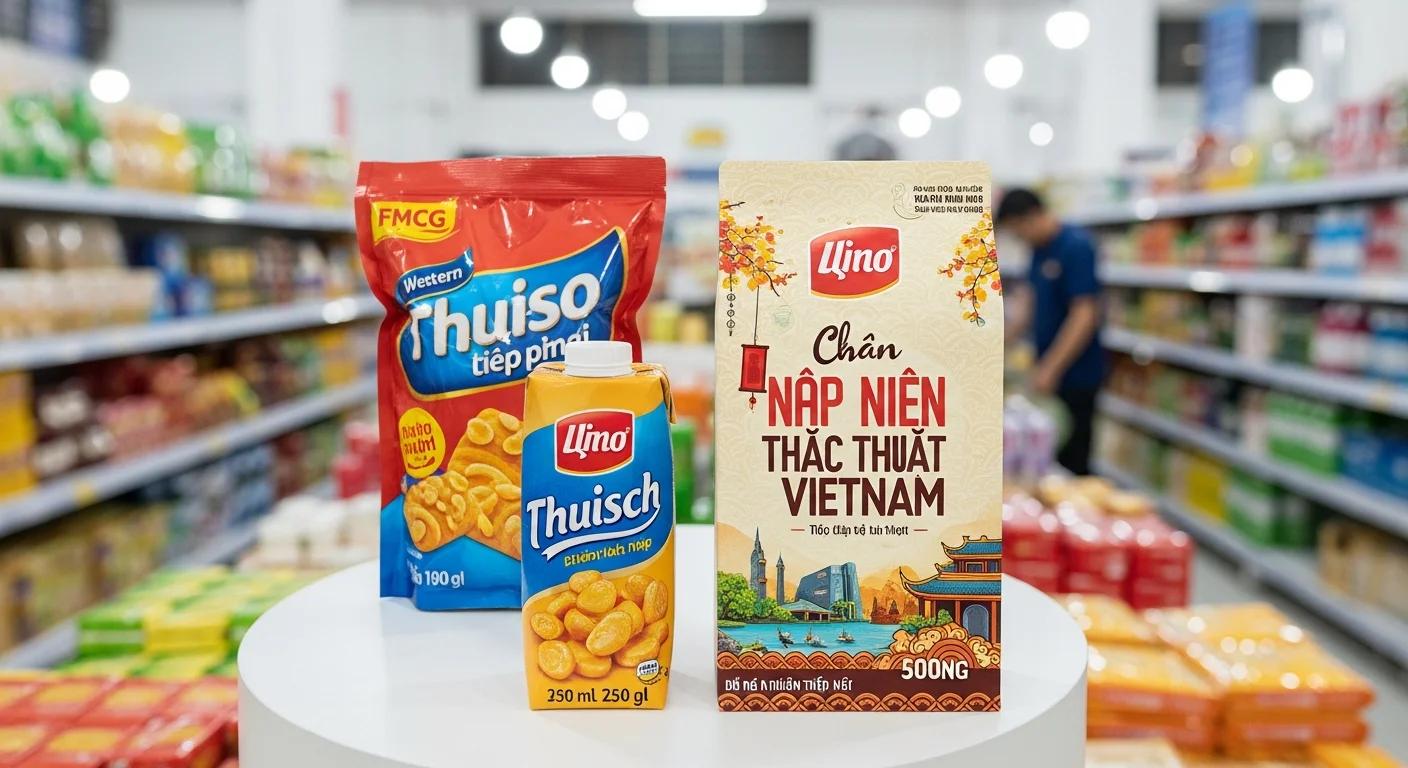
Phase 2: Product and Packaging Adaptation. Based on pilot data, adapt the product packaging and positioning. This includes not only language and graphics, but also the cultural relevance of visuals, ease of use, and strict adherence to local labeling norms and sanitary standards. Packaging should be not only appealing but also functional under local logistical conditions.
Phase 3: Operational Model Selection and Integration. Determine the optimal market entry model (marketplace, direct entry, or partnership) based on the data obtained and strategic goals. If the partnership path is chosen, conduct a thorough vetting of potential partners, assessing their logistical capabilities, distribution coverage, financial stability, and reputation. The problem isn't sales, but cash collection – this should be a central criterion when selecting a commercial partner.
Phase 4: Building Sustainable Logistics and Supply Chain. Develop and implement an efficient and reliable supply system. This includes selecting primary transportation routes, optimizing warehouse storage, and integrating with local distributors. Account for the specifics of working with fragmented courier infrastructure, especially for deliveries to remote areas. Prioritize transparency and predictability of logistics operations.
Phase 5: Monitoring, Optimization, and Scaling. Implement a Key Performance Indicator (KPI) system for continuous tracking of sales, profitability, return rates, and costs. React quickly to changes in the market environment and consumer feedback. Based on the data obtained, iteratively adjust product offerings, marketing campaigns, and operational processes. Only after proving sustainability and profitability during the pilot phase can full-scale expansion proceed.